

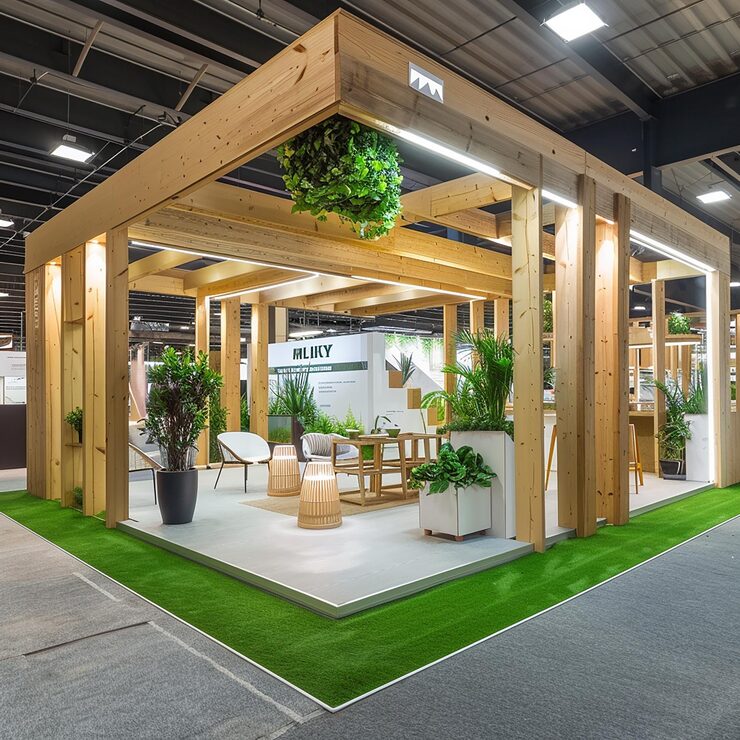
Sustainability is now a procurement requirement, not a nice to have. A responsible Exhibition Stand Builder can help you prove your impact with lower waste, but the brief has to call for it. The smartest Exhibition stand design reduces single use materials and keeps components in play for multiple shows. When you evaluate Stands for exhibitions through a sustainability lens, you can reduce costs while meeting brand and ESG commitments.
Set a sustainability brief early
Sustainability works best when it is built into the brief, not added at the end. Define targets for material reuse, freight reduction, and energy consumption before design begins. Decide what needs to be certified, such as low VOC finishes or responsibly sourced timber, and ensure suppliers can verify those claims. When the brief is clear, the design team can make better choices without compromising aesthetics or visitor experience.
Choose materials that can be reused
Durable materials reduce waste because they survive multiple builds and transport cycles. Aluminium framing, modular timber systems, and high quality fabric graphics can be refreshed without being discarded. If you need painted surfaces or laminated panels, select finishes that can be re skinned or repaired. Avoid complex composites that are difficult to recycle. A stand that lasts for several seasons is usually more sustainable than a one off build, even if the initial cost is higher.
Design for modularity and transport
Modularity is the sustainability multiplier. Components that break down into smaller pieces reduce freight volume and make storage easier. Standardised parts allow you to reconfigure the stand for different footprints without rebuilding from scratch. This also speeds up installs and reduces labour on site, which lowers the total carbon impact of each show. A modular system is also more future proof because you can update branding without replacing the structure.
Reduce energy and waste during the show
LED lighting, smart power management, and efficient AV can cut energy use without sacrificing impact. Plan for digital content that can be updated remotely instead of printed each time. Minimise single use giveaways and replace them with practical items or digital resources that visitors can access later. Even small decisions, like reusable flooring or refillable water stations, signal that sustainability is part of your brand values.
Tell the sustainability story
If you invest in sustainable choices, make sure visitors know about it. Use subtle signage or a short talking point for staff that explains the materials and reuse strategy. Authenticity matters, so avoid vague claims and focus on measurable actions such as reuse cycles or waste reduction. When the story is clear, sustainability becomes a competitive advantage and a conversation starter rather than a hidden cost.
Plan for storage and end of life
A sustainable stand also needs a practical storage and end of life plan. Document how the stand is packed, labelled, and stored so components are not lost or damaged between shows. Choose partners who can refurbish panels, replace worn graphics, and recycle materials responsibly when the stand eventually retires. Tracking these details in a simple asset log saves money and proves reuse over time. It also makes it easier to scale the system as your events calendar grows.